


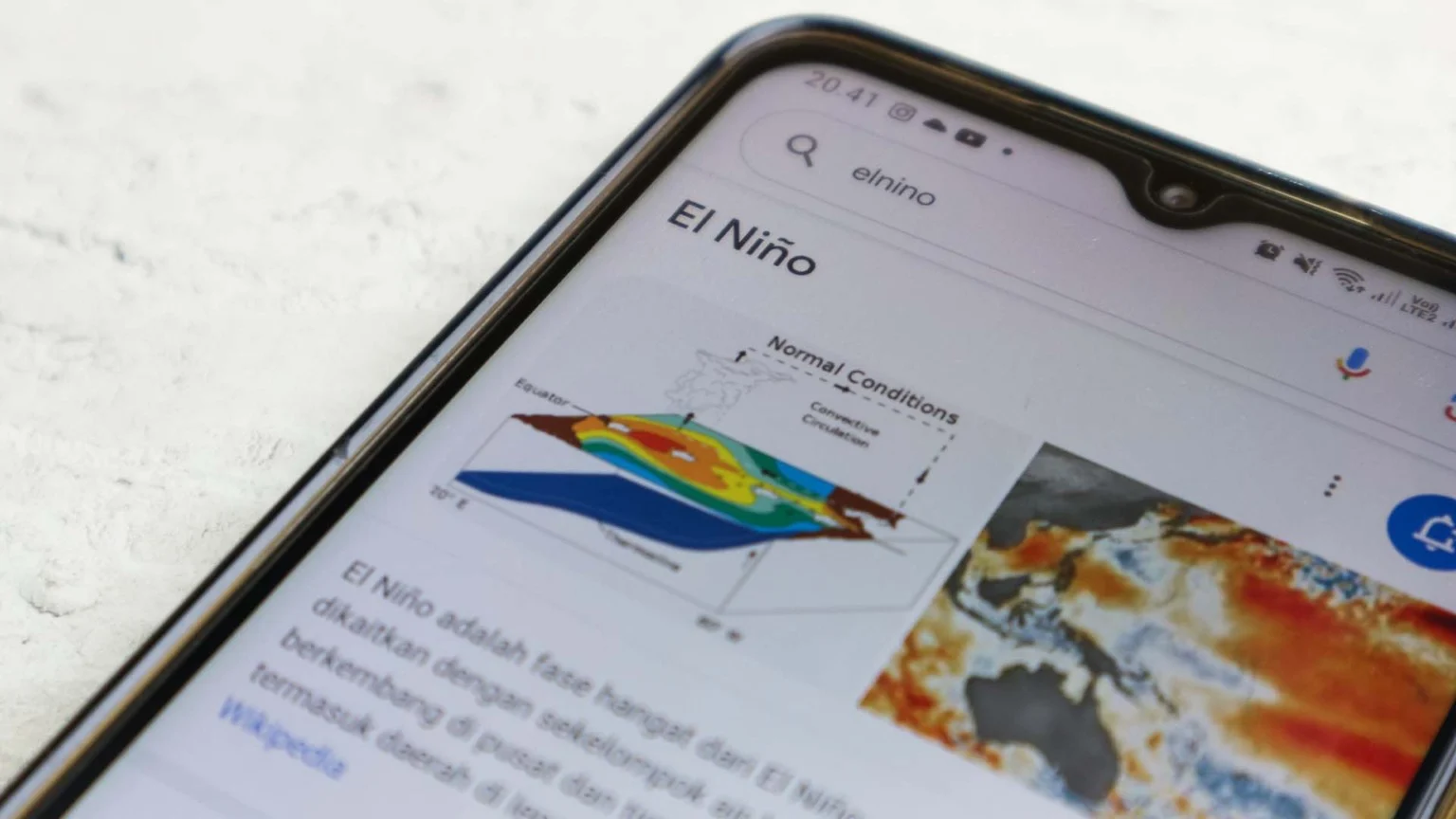

Just as El Niño can reshape agricultural commodity markets, its impact on Brazil’s publicly traded agribusiness companies is likely to vary widely. That’s the conclusion of a recent report by Bradesco BBI.
Drawing on climate and crop-yield data from Brazil’s major farming regions dating back to 1982, analysts Henrique Brustolin and Giovanni D’Ottaviano identify rice processor Camil and agricultural retailer 3tentos as the most likely beneficiaries. SLC Agrícola, meanwhile, appears most exposed to potential losses.
For meat producers JBS and BRF, whose operations rely heavily on poultry and pork production, the main threat lies in feed costs. Any grain harvest shortfall could push corn and soybean prices higher, increasing expenses.
Sugar and ethanol producers São Martinho and Jalles Machado may benefit from stronger sugar prices under an El Niño scenario, although the analysts caution that the industry’s broader outlook remains challenging.
While stressing that El Niño is not deterministic, the analysts note that the phenomenon typically alters rainfall patterns, temperatures, atmospheric circulation and moisture distribution. Those shifts can change the balance of risks for crop yields, commodity prices and, ultimately, companies linked to agricultural supply chains.
Camil: Camil could benefit from a potential rise in rice prices, a product that accounts for roughly 45% of its revenue.
Because the company operates largely under a fee-based business model—allowing it to benefit from higher commodity prices while keeping margins relatively stable—an increase in rice prices would be “clearly positive,” the analysts wrote.
Bradesco BBI estimates a 67% probability of lower productivity in Brazil’s rice crop during El Niño years. In a strong El Niño event, that probability rises to 86%.
The analysts also argue that rice acreage in Brazil could shrink further as growers contend with tight margins and heightened climate risks.
3tentos: The company’s key advantage is its exposure to Rio Grande do Sul, where El Niño has historically supported crop yields and boosted demand for agricultural inputs.
3tentos is also Bradesco BBI’s top pick in the agricultural sector.
SLC Agrícola: SLC faces downside risks because of its significant exposure to the Matopiba region—a farming frontier spanning parts of Maranhão, Tocantins, Piauí and Bahia—where soybean and corn crops are particularly vulnerable to drought during El Niño episodes.
About 49% of the company’s planted area is located in the region.
The challenge is compounded by what the analysts see as limited upside for commodity prices. Historically, El Niño has been associated with gains in global soybean production on average, while showing a weaker relationship with cotton yields. At the same time, fertilizer prices are expected to drive higher production costs in the 2026/27 crop season.
São Martinho and Jalles Machado: For Brazil’s sugar and ethanol producers, El Niño has generally been favorable for sugarcane crops.
Bradesco BBI’s analysis suggests that very strong El Niño events are associated with a 4% increase in sugarcane productivity. Gains in TCH—tons of cane per hectare—can reach as much as 5% in Brazil’s Center-West and Southeast regions.
Even so, the bank argues that stronger cane yields in Brazil and a higher likelihood of crop losses in India—a factor that could support global sugar prices—are unlikely to be enough to change what remains a difficult outlook for the sugar market.
According to the analysts, current ethanol prices in Brazil may continue to cap sugar’s upside potential, as mills allocate a larger share of production toward ethanol.
JBS, MBRF and Minerva: For protein producers, the main risk centers on Brazil’s second corn crop, known as the safrinha.
Historically, corn performance has been positive during very strong El Niño years, with Bradesco BBI’s data showing average productivity gains of 1% both globally and in Brazil.
However, the safrinha—which accounts for roughly 80% of Brazil’s corn output—could be affected if El Niño delays rainfall in the Center-West region, narrowing the planting window.
That scenario could raise feed costs for livestock producers. Among the companies covered, Minerva is considered less directly exposed to this risk.
Boa Safra: El Niño could hurt the quality of soybean seeds produced in Brazil’s Cerrado region, where Boa Safra’s operations are concentrated.
Excess rainfall and humidity during the maturation and harvest stages can reduce germination rates, weaken seed vigor and compromise sanitary quality, leading to higher discard rates and pressure on margins, according to the analysts.
On the other hand, a tighter supply of certified seeds could help support prices, partially offsetting those pressures.
This story was translated with assistance of artificial intelligence.


